The Rise of Cryptocurrency Art NFT Marketplaces: A New Era for Digital Creativity
In recent years, the intersection of art and blockchain technology has given birth to a revolutionary concept: Non-Fungible Tokens (NFTs). These unique digital assets, stored on blockchains, have transformed how art is created, owned, and traded. At the heart of this movement are cryptocurrency art NFT marketplaces, platforms that enable artists to tokenize their work and collectors to buy, sell, and trade digital art securely. This article explores the mechanics, significance, challenges, and future of these marketplaces, shedding light on their impact on the art world.
How NFT Marketplaces Work
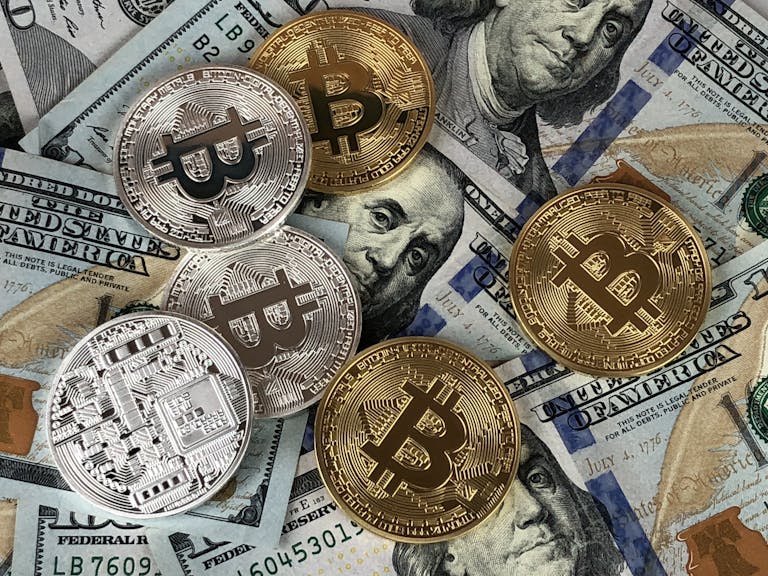
NFTs are digital certificates of ownership created using blockchain technology. Unlike cryptocurrencies like Bitcoin, which are fungible (interchangeable), NFTs are unique and indivisible. When an artist creates a digital artwork, they can “mint” it as an NFT on a blockchain, typically Ethereum, Solana, or Binance Smart Chain. This process involves converting the art into a token that includes metadata verifying its authenticity, provenance, and ownership.
NFT marketplaces act as digital galleries, connecting creators with buyers. They operate through smart contracts, self-executing agreements that automate transactions and ensure royalties for artists. For example, when an NFT is resold, the original creator can receive a percentage of the sale, a feature that has redefined monetization in the art world. These platforms also provide features like bidding, auctions, and direct sales, with transactions facilitated via cryptocurrencies such as ETH, MATIC, or BNB.
Key NFT Marketplaces for Art
Several platforms have emerged as hubs for cryptocurrency art, each with distinct features:
-
- OpenSea: The largest NFT marketplace, OpenSea hosts a vast array of digital art, allowing users to buy, sell, and trade NFTs using Ethereum and other blockchains. Its open ecosystem appeals to both beginners and established artists.
-
- Rarible: Known for its community-driven approach, Rarible lets creators mint NFTs and set their own royalties. It also uses its native token, RARI, to empower users through governance.
-
- Foundation: A curated platform emphasizing high-quality digital art, Foundation attracts artists and collectors seeking a more exclusive experience.
-
- SuperRare: Focuses on limited-edition digital art, with a strong emphasis on artist recognition and premium listings.
-
- Mint Songs: Specializes in music NFTs, blending the art of sound with blockchain technology.
These platforms vary in accessibility, fees, and community focus, catering to different segments of the digital art world. For instance, Solana-based marketplaces often offer lower transaction costs, making them attractive for artists and buyers looking to minimize expenses.
Impact on the Art Industry
NFT marketplaces have democratized access to the art world, enabling creators to reach global audiences without relying on traditional galleries or intermediaries. Artists can now monetize their work directly, often earning royalties on resales—a game-changer for those previously excluded from profit-sharing in the secondary market.
Notable sales, such as Beeple’s Everydays: The First 5000 Days fetching $69 million at Christie’s in 2021, highlighted the potential for digital art to command astronomical prices. This shift has also introduced fractional ownership, allowing multiple investors to own a share of an NFT, and spurred innovations like generative art and AI-created NFTs, broadening the scope of artistic expression.
Moreover, NFTs have given rise to digital collectibles and virtual real estate, blending art with gaming and the metaverse. Platforms like Decentraland or The Sandbox allow users to buy and display NFT art in immersive virtual spaces, further expanding the definition of “art” in the digital age.
Challenges and Criticisms
Despite their promise, NFT marketplaces face significant challenges:
-
- Environmental Concerns: Early blockchain networks like Ethereum were criticized for high energy consumption. However, Ethereum’s 2022 transition to proof-of-stake reduced its carbon footprint, while alternatives like Solana and Tezos emerged as more eco-friendly options.
-
- Speculation and Volatility: The market has seen speculative bubbles, with prices fluctuating wildly. This raises questions about sustainability and whether NFTs are a legitimate investment or a passing trend.
-
- Scams and Fraud: Issues like plagiarism, unauthorized minting, and fake listings persist, highlighting the need for better verification and regulation.
-
- Regulatory Uncertainty: Governments are still grappling with how to classify NFTs, leading to potential legal challenges around taxation, intellectual property, and consumer protection.
Additionally, the speculative nature of NFTs has sparked debates about their long-term value and whether they represent a genuine cultural shift or a fleeting fad.
Future Outlook
The NFT art market is evolving rapidly. Key trends to watch include:
-
- Sustainability: Continued adoption of energy-efficient blockchains and carbon-neutral initiatives.
-
- Metaverse Integration: As virtual worlds grow, NFTs will likely play a central role in digital identity and space, with platforms like Decentraland expanding their art ecosystems.
-
- AI and Generative Art: Tools like DALL·E or MidJourney are enabling artists to create and sell AI-generated NFTs, pushing the boundaries of creativity.
-
- Regulation and Innovation: As laws clarify, marketplaces may implement stricter verification processes, while new technologies could enhance security and user experience.
The rise of decentralized autonomous organizations (DAOs) also allows communities to collectively own and curate NFT art, fostering new models of collaboration and ownership.
Conclusion
Cryptocurrency art NFT marketplaces are reshaping the art industry by empowering creators, redefining ownership, and fostering new forms of digital expression. While challenges like environmental impact and regulatory hurdles remain, their potential for innovation and inclusivity is undeniable. As technology advances and the market matures, these platforms could become a cornerstone of the global art economy, blending art, technology, and finance in unprecedented ways. Whether as a collector, artist, or observer, the NFT space offers a fascinating glimpse into the future of creativity—one where digital ownership is as valuable as the art itself.