
AI Tools for Optimizing Industrial Process Control Systems
In the modern industrial landscape, process control systems are the backbone of efficient and safe operations. From manufacturing plants to energy grids, these systems monitor and regulate complex processes, ensuring optimal performance, resource utilization, and product quality. However, traditional control systems often struggle with dynamic environments, unpredictable variables, and the need for real-time adaptability.
Enter artificial intelligence (AI), a transformative force that is revolutionizing how industries manage and optimize their process control systems. By leveraging machine learning, predictive analytics, and advanced data processing, AI tools are enabling smarter, faster, and more responsive industrial operations.
The Role of AI in Industrial Process Control
Industrial process control systems typically rely on predefined rules, PID (proportional-integral-derivative) controllers, or model-based approaches to maintain stability and efficiency. While effective in structured settings, these methods can falter when faced with nonlinear processes, fluctuating demand, or unexpected disruptions. AI introduces a paradigm shift by enabling systems to learn, adapt, and make decisions autonomously.
AI tools analyze vast amounts of data from sensors, historical records, and operational logs to identify patterns, predict outcomes, and optimize control strategies. This data-driven approach allows industries to move beyond reactive management to proactive and predictive control, reducing downtime, minimizing waste, and improving overall productivity.
Key AI Applications in Process Control Optimization
-
- Predictive Maintenance
AI-powered predictive maintenance tools use machine learning algorithms to analyze sensor data from machinery and equipment. By detecting anomalies or predicting failures before they occur, these systems reduce unplanned downtime and maintenance costs. For example, neural networks can process vibration, temperature, and pressure data to forecast when a pump or turbine might fail, enabling timely interventions.
- Predictive Maintenance
-
- Real-Time Process Optimization
Reinforcement learning (RL) and adaptive AI models optimize processes on the fly. These tools continuously adjust parameters (e.g., temperature, flow rates, or chemical concentrations) to maximize efficiency or minimize energy consumption. In the chemical industry, AI can fine-tune reaction conditions in real time, improving yield and safety.
- Real-Time Process Optimization
-
- Quality Control and Anomaly Detection
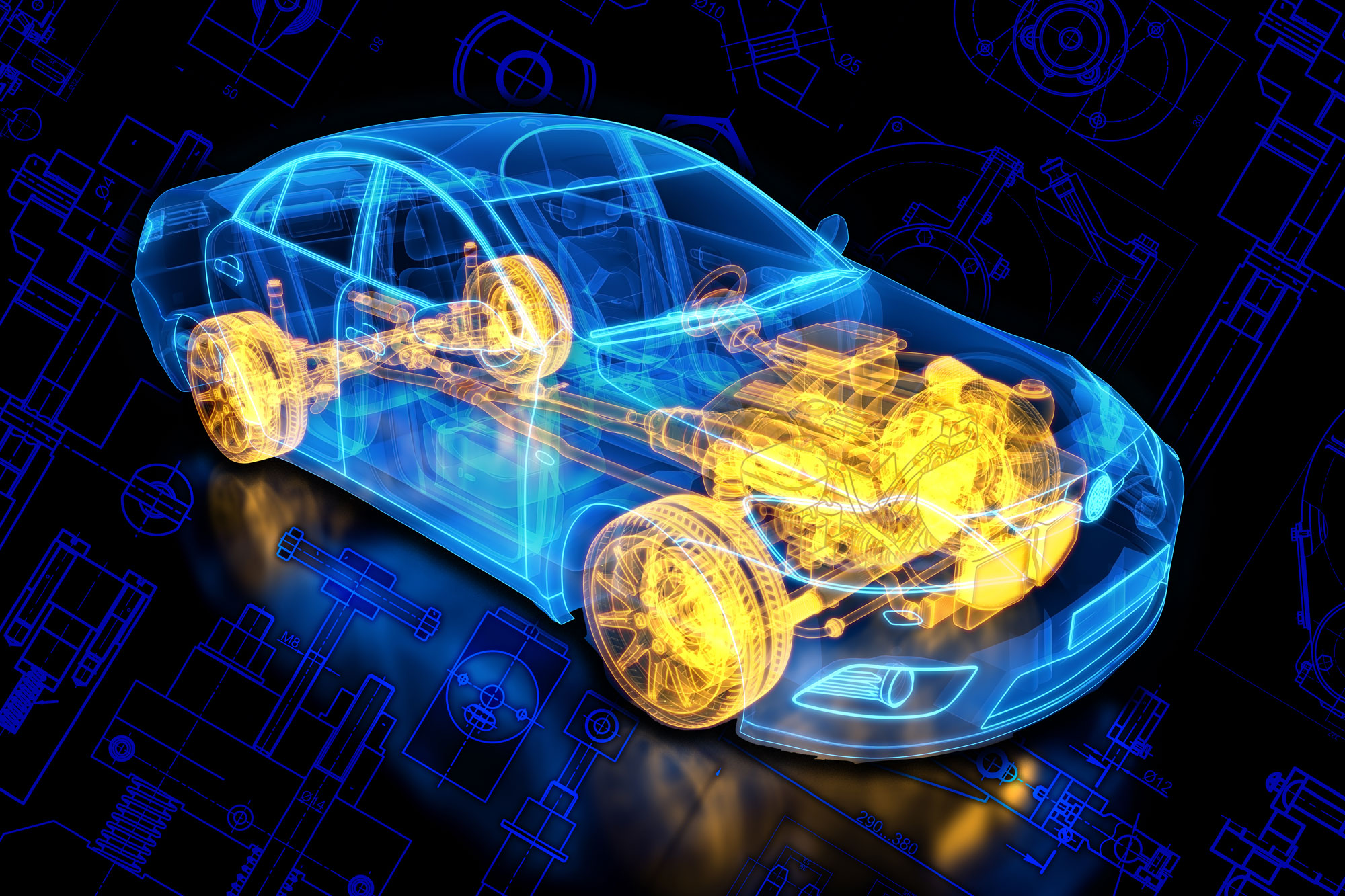
Computer vision and deep learning are being used to inspect products or processes for defects. For instance, AI systems in automotive manufacturing can identify imperfections in components using high-resolution cameras and image recognition, ensuring consistent quality.
- Quality Control and Anomaly Detection
-
- Energy Management and Sustainability
AI optimizes energy consumption in industrial facilities by analyzing usage patterns and adjusting operations accordingly. Tools like IBM’s Watson or Siemens’ MindSphere use AI to balance energy demand with supply, reducing carbon footprints and operational costs.
- Energy Management and Sustainability
-
- Digital Twins and Simulation
Digital twins—virtual replicas of physical systems—combine AI with real-time data to simulate and test process changes. This allows engineers to optimize control strategies without risking physical equipment. For example, in oil and gas, digital twins predict pipeline performance under varying conditions, enabling safer and more efficient operations.
- Digital Twins and Simulation
Case Studies: AI in Action
-
- Smart Manufacturing in Automotive Industry: Companies like BMW and Tesla use AI-driven control systems to manage production lines. These systems adjust assembly parameters in real time based on demand forecasts and supply chain data, reducing idle time and increasing throughput.
-
- Energy Grid Optimization: Electric grid operators use AI to balance energy supply and demand. Google’s DeepMind has demonstrated how AI can reduce energy consumption in data centers by up to 40% through intelligent cooling systems.
-
- Chemical Process Control: BASF, a global chemical company, employs AI to optimize production processes. Machine learning models analyze reaction conditions and adjust variables dynamically, improving efficiency and reducing raw material waste.
Challenges and Considerations
While AI offers significant benefits, its integration into industrial process control systems is not without hurdles:
-
- Data Quality and Integration: Legacy systems often lack standardized data, making AI implementation complex.
-
- Model Interpretability: Industrial engineers need transparent AI models to trust and validate decisions.
-
- Cybersecurity Risks: Connected AI systems are vulnerable to hacking, requiring robust security frameworks.
-
- Skill Gaps: A shortage of professionals skilled in both AI and industrial engineering can slow adoption.
Despite these challenges, the potential return on investment—through cost savings, improved safety, and sustainability—makes AI a compelling choice for industries.
The Future of AI in Industrial Process Control
The future of industrial process control lies in autonomous systems and AI-driven decision-making. Emerging trends include:
-
- Edge AI: Deploying AI models directly on IoT devices for faster, localized decision-making.
-
- Human-AI Collaboration: Augmenting human operators with AI insights for faster, data-informed adjustments.
-
- AI-Enhanced Safety Protocols: Using AI to predict and mitigate risks, such as equipment failure or hazardous conditions.
As AI technology advances, we can expect even greater integration with the Industrial Internet of Things (IIoT) and Industry 4.0 initiatives, creating self-optimizing systems that adapt to changing environments in real time.
Conclusion
AI tools are no longer a futuristic concept but a practical solution for optimizing industrial process control systems. By enhancing predictive capabilities, enabling real-time adjustments, and improving sustainability, AI is reshaping the manufacturing and industrial sectors. While challenges remain, the growing availability of AI platforms, cloud computing, and collaborative partnerships between tech firms and industry leaders are paving the way for widespread adoption. For industries aiming to stay competitive, embracing AI in process control is not just an option—it’s a necessity.
As the saying goes, “The future belongs to those who believe in the beauty of their dreams.” With AI, industrial processes are becoming smarter, more resilient, and more efficient, turning dreams of optimization into reality.