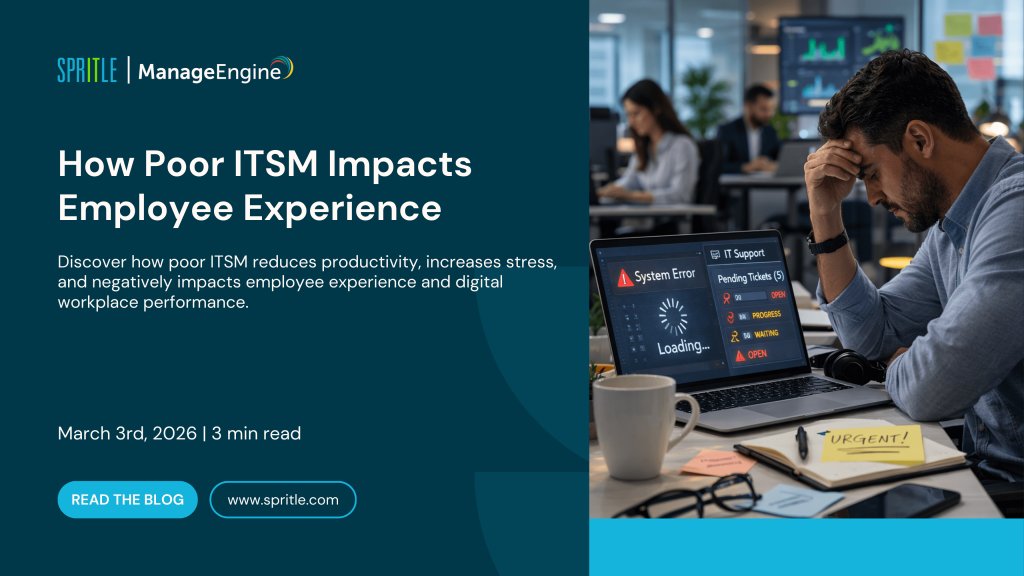
In today’s digital workplace, technology is the backbone of productivity. Employees rely on IT systems to communicate, collaborate, access data, and manage tasks. This makes IT Service Management (ITSM) A critical function within every organization. ITSM refers to the structured processes and tools used to design, deliver, manage, and improve IT services.
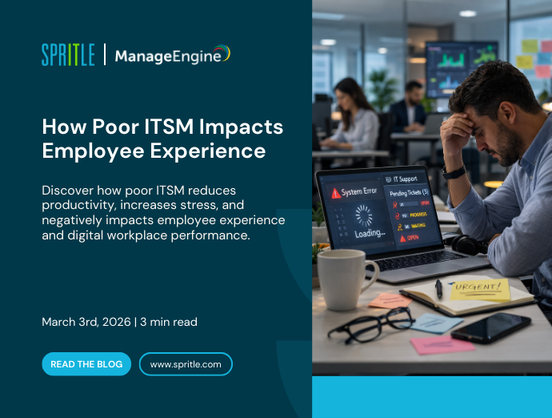
When an ITSM service runs smoothly, employees barely notice it. Systems operate efficiently, support requests are resolved quickly, and workflow remains uninterrupted. However, when IT Service Management (ITSM) services are poorly managed, so is the impact Employee Experience (EX) It is immediate and harmful. In fact, poor IT Service Management (ITSM) services are one of the most overlooked drivers of disengagement, stress, and loss of productivity.
The digital experience is the employee experience. If technology fails, performance fails too.
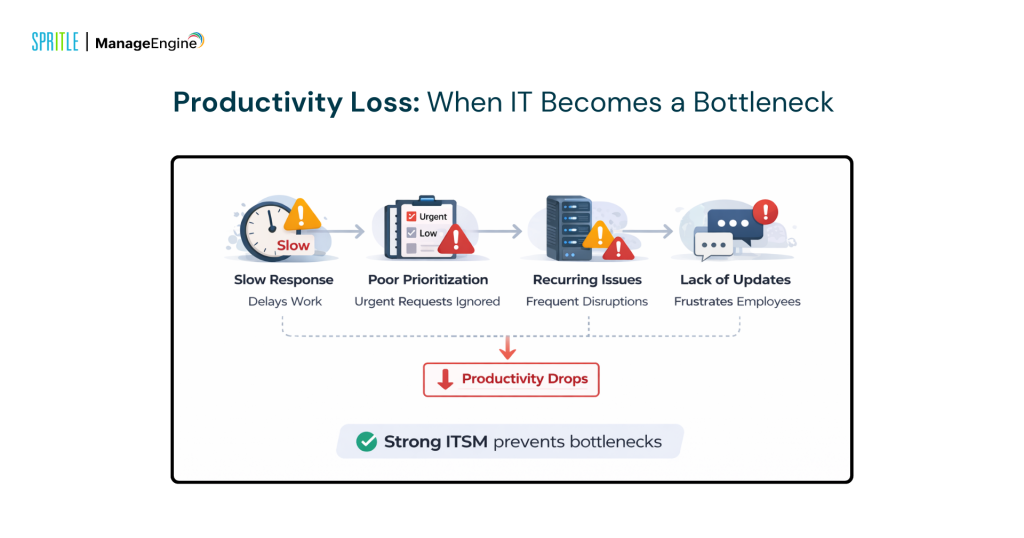
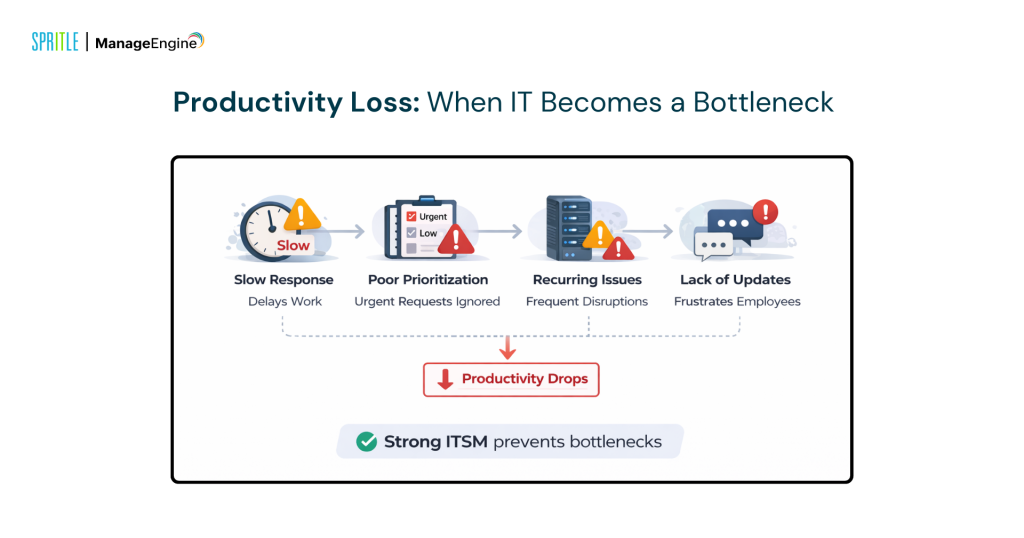
Loss of productivity: When IT becomes a bottleneck
It is one of the most prominent effects of the poor IT service management Slow in resolving incidents. Employees depend on rapid support when systems crash, access is denied, or applications fail. Delays create workflow interruptions that extend across teams.
Common signs of poor ITSM service include:
- Long ticket resolution times
- – Poor prioritization of pressing issues
- Outdated manual processes
- Frequent follow-ups for updates
Instead of focusing on strategic tasks, employees spend time troubleshooting or chasing IT responses. Over time, this reduces operational efficiency and increases frustration. A robust ITSM framework with defined service level agreements (SLAs), automation and intelligent ticket routing prevents such bottlenecks.
Poor communication and lack of transparency
Clear communication plays a major role in shaping employee satisfaction. When service requests disappear into a system without updates, employees feel left out.
This lack of transparency results in:
- Low trust in IT teams
- Increased escalation
- High internal friction
- Worrying about unresolved issues
Modern ITSM tools address this issue with automated notifications, real-time ticket tracking, and clear escalation paths. Transparency improves trust and strengthens cross-functional relationships.
Recurring issues and interactive support
Many organizations operate in reactive mode, quickly fixing incidents but failing to resolve the root causes. Poor issue management leads to frequent system failures that damage trust in workplace technology.
When problems reoccur:
- Employees are losing trust in digital tools
- Innovation slows down
- Productivity decreases
An effective ITSM service goes beyond quick fixes. It includes proactive monitoring, root cause analysis and continuous service improvement. Preventing issues before they happen dramatically improves the digital employee experience (DEX).
Complex service request processes
Today’s workforce expects seamless digital experiences similar to consumer apps. However, poorly managed IT Service Management (ITSM) environments often include complex request forms, outdated portals, and manual approval chains.
This creates friction such as:
- Lengthy service request forms
- Lack of self-service options
- Multiple email approvals
- Limited access to the knowledge base
These shortcomings result in wasted time and reduced engagement. Implementing easy-to-use self-service portals, AI-powered chatbots, and automated workflows empowers employees to solve simple issues independently, leading to improved efficiency and satisfaction.
Increased stress and fatigue
Frequent technical failures are more than just operational problems; they create emotional stress. Constant downtime, slow support, and unreliable systems create frustration and fatigue.
Over time, poor IT Service Management (ITSM) services contribute to:
- Stress in the workplace
- Low job satisfaction
- Low engagement
- High employee turnover rate
Employees who struggle daily with ineffective systems feel unsupported. Providing reliable IT services builds trust and creates a stable and productive environment.
Poor change management
Digital transformation initiatives often fail due to poor change management within IT Service Management (ITSM) processes. Introducing new systems without proper communication, testing, or training creates confusion.
Consequences include:
- Workflow disruption
- Resistance to new tools
- Low adoption rates
- Temporary decreased productivity
A mature ITSM strategy integrates structured change management practices, ensuring employees are prepared, trained and supported during transformations.
Security and compliance risks
Poor IT Service Management (ITSM) services can also expose organizations to cybersecurity threats. Poor access controls, delayed patch management, and poor asset tracking increase risk.
Employees may experience:
- Data access issues
- Security concerns
- System crash
A secure IT environment is essential for trust. Strong governance, automated updates, and robust access management within ITSM frameworks protect both employees and organizational assets.
Cultural and commercial influence
IT performance directly affects organizational culture. When employees are constantly dealing with ineffective systems, it indicates that operational excellence is not a priority.
Long-term business impacts include:
- Low productivity
- High operational costs
- Increased IT workload
- Low employee retention
- Digital transformation slows down
On the other hand, organizations that invest in modern IT Service Management (ITSM) tools and automation position IT as a strategic partner rather than a reactive support function.
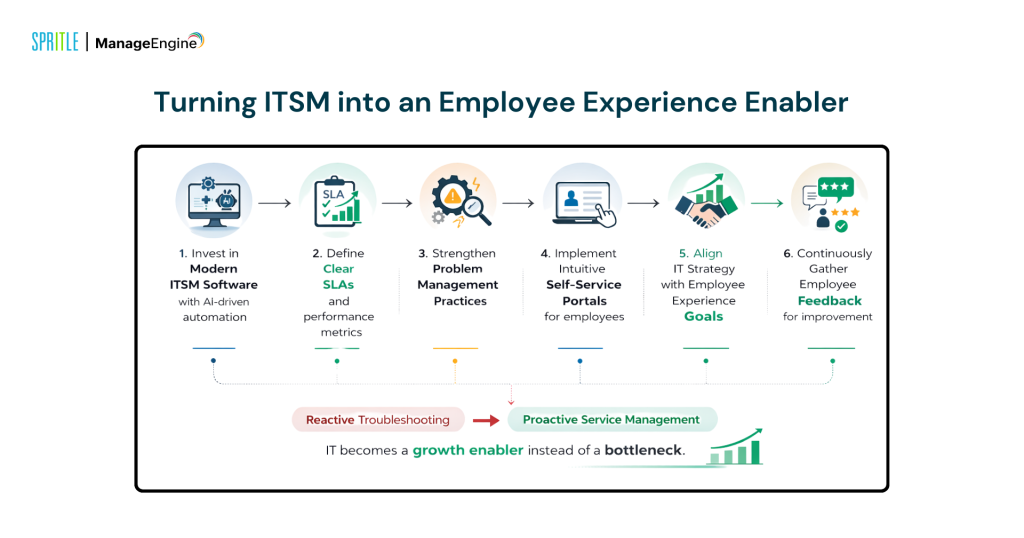
Transform ITSM into an employee experience enabler
To improve employee experience through IT service management, organizations should:
- Invest in modern ITSM software with AI-driven automation
- Define clear service level agreements and performance metrics
- Strengthen problem management practices
- Implement intuitive self-service portals
- Align IT strategy with employee experience goals
- Collect employee feedback on an ongoing basis
By shifting from reactive troubleshooting to proactive service management, IT becomes an enabler of growth rather than a bottleneck.
conclusion
Poor IT Service Management (ITSM) services are not just an IT issue, they are a business and employee experience challenge. In the digital workplace, reliable technology is the foundation of productivity, engagement and innovation.
When IT services are slow, complex, or unreliable, employees feel the impact immediately. But when IT Service Management (ITSM) services are optimized, transparent, and employee-focused, they create smoother workflows, stronger trust, and measurable performance gains.
Ultimately, improving IT service management is more than just fixing systems. It’s about empowering employees to do their best work, without friction.